


By Claire Rifkin, MS, RDN, LDN
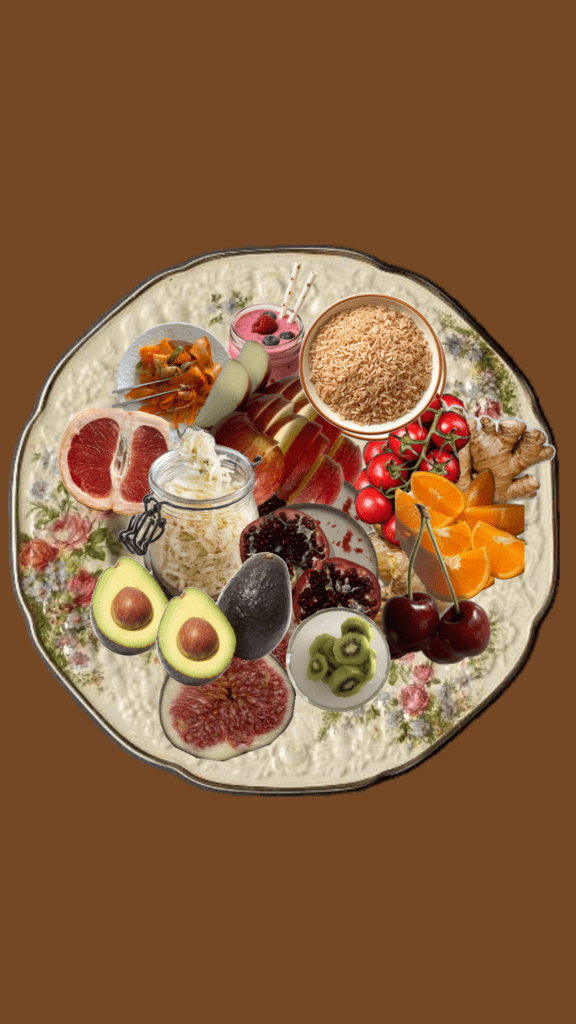
The follicular phase is often described as the “easy” part of the menstrual cycle. Energy feels steadier, motivation comes back, and appetite may feel lighter or more predictable. Because of that, this phase is frequently misunderstood and underfueled.
From a nutrition perspective, the follicular phase is not about eating less or “being good.” It is about setting your body up for the rest of the cycle. How you eat during this phase influences blood sugar regulation, hormone balance, and how intense hunger and cravings feel later on.
Understanding follicular phase nutrition can help support energy and focus now while also reducing PMS symptoms down the line.
What Is the Follicular Phase?
The follicular phase begins on the first day of your period and lasts until ovulation. During this time, estrogen gradually rises while progesterone remains low.
These hormonal changes are associated with:
- Improved insulin sensitivity
- Increased mental clarity and focus
- Often a slightly lower or more stable appetite
This is also a recovery window following menstruation, when the body is rebuilding iron stores and preparing for ovulation.
Why Follicular Phase Nutrition Matters
Because energy and motivation tend to improve during the follicular phase, many women unintentionally eat less. Meals get skipped, portions shrink, or carbohydrates are cut back without much thought.
While this may feel fine short term, consistent underfueling in the follicular phase can contribute to:
- Increased hunger later in the cycle
- Blood sugar instability around ovulation
- More intense cravings and fatigue in the luteal phase
Follicular phase nutrition is about nourishment, not restriction. Eating enough during this phase supports hormonal signaling and metabolic stability throughout the entire cycle.
Key Nutrition Goals During the Follicular Phase
Support Energy and Brain Function
Rising estrogen is associated with improved cognitive function and exercise tolerance. Adequate carbohydrate intake supports this shift by fueling the brain and nervous system.
Rebuild Iron Stores
Menstruation results in iron loss. Even if your period is light, replenishing iron through food during the follicular phase supports energy, endurance, and focus.
Maintain Blood Sugar Stability
Improved insulin sensitivity does not mean blood sugar issues disappear. Balanced meals remain important to prevent energy dips and reactive hunger.
Follicular Phase Nutrition Guidelines
Rather than rigid rules, follicular phase nutrition works best when it focuses on balance and consistency.
Prioritize regular meals
Aim to eat every three to four hours. Skipping meals because appetite feels low often backfires later.
Include carbohydrates at meals
Whole grains, fruit, beans, and starchy vegetables help support energy and mood. This is not the time to go low carb.
Pair carbs with protein and fat
This combination supports sustained energy and blood sugar control.
Include iron-rich foods
Lean meats, poultry, beans, lentils, leafy greens, and fortified grains can all help replenish iron stores.
Hydrate consistently
Hydration supports circulation and digestion as hormone levels shift.
Example Foods That Work Well in the Follicular Phase
This is not a required food list, but examples of foods that often feel supportive during this phase:
- Grain bowls with beans, vegetables, and protein
- Yogurt bowls with fruit, seeds, and granola
- Eggs with toast and vegetables
- Salads that include carbohydrates and fat, not just greens
- Smoothies with protein, fruit, and fiber
The goal is nourishment that feels energizing and sustainable.
Common Follicular Phase Nutrition Mistakes
Eating less because hunger feels quieter
Your body still needs fuel, even if hunger cues are subtler.
Saving calories for later in the cycle
This often worsens luteal phase hunger and cravings rather than preventing them.
Overtraining without adequate fuel
Energy may feel high, but recovery still depends on sufficient intake.
How the Follicular Phase Sets Up the Rest of Your Cycle
Cycle syncing nutrition works best when each phase supports the next. Adequate fueling in the follicular phase helps:
- Stabilize appetite later in the cycle
- Support ovulation and hormone signaling
- Reduce the intensity of PMS symptoms
Think of this phase as the foundation, not a free pass to ignore nutrition.
Where Fuel Your Flow Fits In
Follicular phase nutrition is just one part of the cycle. Many women understand this phase but struggle most with appetite and energy changes later on.
Fuel Your Flow walks through all four phases of the menstrual cycle with clear, practical guidance so you are not guessing what your body needs week to week. Instead of reacting to symptoms, you learn how to support your cycle proactively.
If cycle syncing has ever felt confusing or overwhelming, Fuel Your Flow provides structure without rigidity.


