


By Claire Rifkin, MS, RDN, LDN
Falling asleep is supposed to be the easy part of the day. You brush your teeth, get into bed, close your eyes… and somehow your brain decides this is the perfect time to replay awkward conversations from 2014 or plan an entire fake future.
If you struggle to fall asleep quickly, you are not alone. About one in three adults reports symptoms of insomnia, with difficulty falling asleep being one of the most common complaints. And for many women, stress, hormone shifts, under-fueling, and constant mental load only make it harder.
The good news is that falling asleep faster is not about “trying harder” or forcing your body to shut down. It is about creating the right physiological conditions for your nervous system to relax. That is where evidence-based nutrition strategies, including magnesium, come in.
Below is what the science actually says about falling asleep faster, plus how I personally use magnesium as part of a realistic bedtime routine.
Why Falling Asleep Feels So Hard
Sleep onset, the process of falling asleep, depends heavily on your nervous system shifting from a “fight or flight” state into a “rest and digest” state. When stress hormones like cortisol stay elevated at night, your body stays alert even if you are exhausted.
Common factors that interfere with this shift include:
- Chronic stress or burnout
- Irregular meal timing or under-eating during the day
- High screen exposure late at night
- Hormonal changes related to your cycle, pregnancy, or perimenopause
- Nutrient deficiencies that affect nervous system signaling
You cannot out-willpower these factors. You have to support the biology.
The Role of Magnesium in Sleep
Magnesium is one of the most researched minerals when it comes to sleep and nervous system regulation. It plays a key role in calming neural activity by supporting GABA, a neurotransmitter that helps slow down brain signaling and promote relaxation.
Research shows that magnesium supplementation may help:
- Reduce time to fall asleep
- Improve sleep quality
- Support muscle relaxation
- Lower nighttime cortisol levels
One randomized controlled trial published in Journal of Research in Medical Sciences found that magnesium supplementation improved sleep onset and sleep efficiency in adults with insomnia. Another study in Sleep linked low magnesium intake with shorter sleep duration and poorer sleep quality.
In other words, magnesium does not act like a sedative. It helps your body do what it is already designed to do when conditions are right.
Why Form and Timing Matter
Not all magnesium supplements are created equal. The form of magnesium affects how well it is absorbed and how it feels in the body.
Forms commonly used for sleep include:
- Magnesium glycinate, known for its calming effects and gentle digestion
- Magnesium citrate, which absorbs well but can be laxative for some people
- Magnesium oxide, which is less absorbable and often not ideal for sleep support
Timing matters too. Magnesium is best taken consistently in the evening as part of a wind-down routine, not as a last-ditch effort when you are already wired.
This is why I like magnesium products that feel easy and enjoyable to take, rather than another pill that feels like a chore.
Where MoonBrew Sleep Gummies Fit In
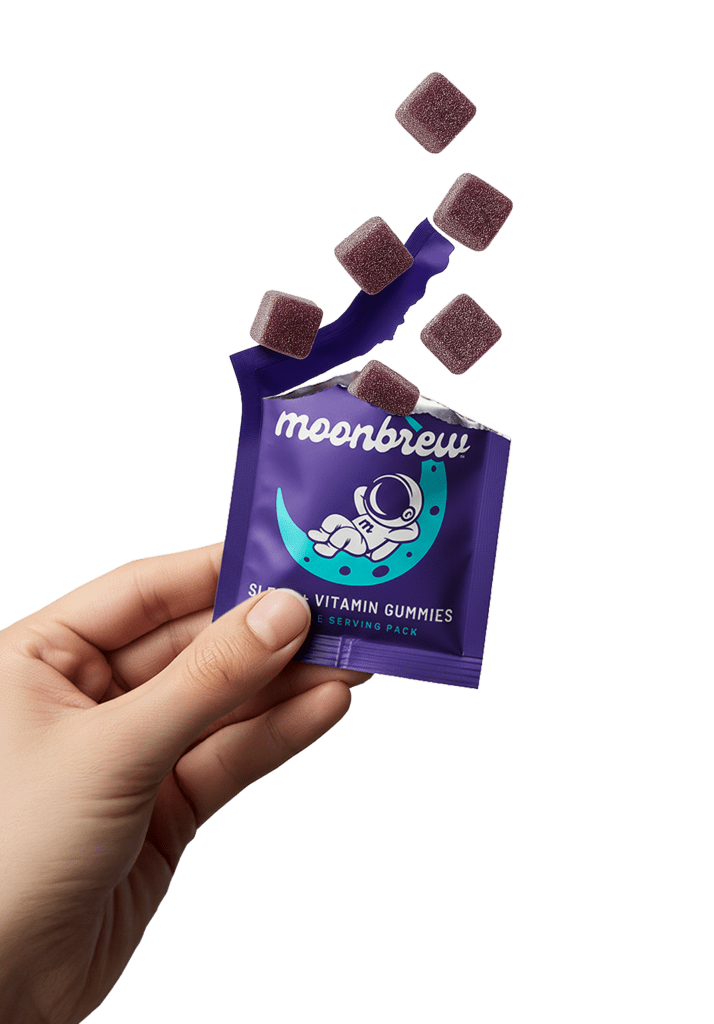
MoonBrew Sleep Gummies are a third-party tested magnesium gummy designed specifically for nighttime relaxation. They contain magnesium in a form that supports nervous system calm, without relying on melatonin or heavy sedatives.
As a dietitian, I look for a few key things before recommending or carrying a supplement:
- Evidence-based ingredients
- Transparent labeling
- Third-party testing
- A form people will actually use consistently
MoonBrew checks those boxes. And honestly, the fact that they taste good matters more than people like to admit. If something feels pleasant, you are more likely to stick with it, which is where benefits actually happen.
I personally recommend these gummies for clients who want gentle sleep support without feeling groggy or dependent on sleep aids.
If you want to try them, you can find MoonBrew Sleep Gummies in my shop here. I only carry products I would feel comfortable recommending to my own clients.
Other Science-Backed Ways to Fall Asleep Faster
Magnesium works best when paired with habits that support your nervous system throughout the day. Think of sleep as a full-day project, not just a nighttime one.
A few evidence-based strategies I recommend:
Eat enough during the day. Under-fueling can raise cortisol and blood sugar instability, both of which can delay sleep onset.
Anchor your evenings. Doing the same few calming activities each night helps cue your brain that sleep is coming.
Dim lights earlier. Lower light exposure supports natural melatonin release.
Avoid high-intensity workouts late at night. These can be stimulating rather than relaxing for some people.
Create a supplement routine, not a rescue plan. Magnesium works best when taken consistently, not sporadically.
What to Expect and What Not to Expect
Magnesium is not a knockout pill. If a product promises instant sleep in five minutes, that is a red flag.
Most people notice benefits within one to two weeks of consistent use, especially when paired with adequate nutrition and stress support. The goal is not perfection. It is easier transitions and fewer nights spent staring at the ceiling.
The Bottom Line
Falling asleep faster is less about hacking sleep and more about supporting your nervous system with the right tools. Magnesium is one of the most well-studied nutrients for relaxation and sleep quality, and when used consistently, it can be a helpful part of a sustainable bedtime routine.
MoonBrew Sleep Gummies offer an evidence-based, third-party tested way to get magnesium in a form that actually fits into real life.
Sleep does not have to be another thing you are failing at. Sometimes it just needs a little support.
This post is sponsored by MoonBrew. As always, all opinions are my own. I only partner with brands and carry products in my shop that align with my professional standards as a Registered Dietitian. This post is for educational purposes only and is not a substitute for individualized medical or nutrition advice.


