


By Claire Rifkin, MS, RDN, LDN
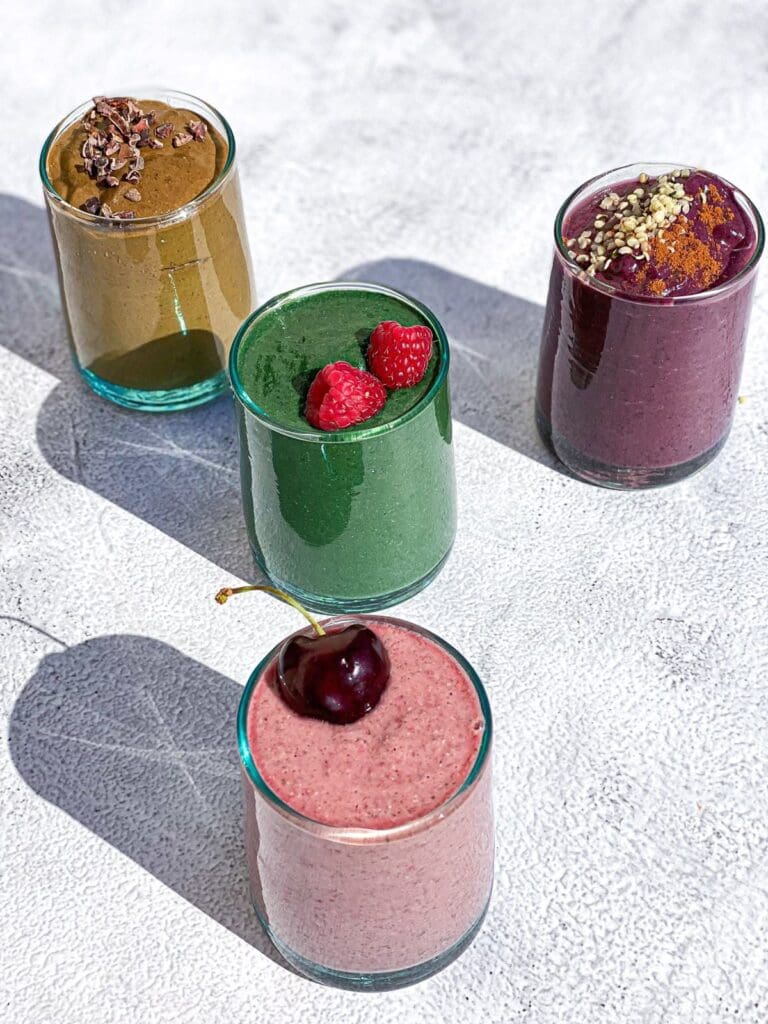
Ovulation is often described as the peak of the menstrual cycle. Estrogen reaches its highest point, energy may feel strong, and social motivation often increases. At the same time, many women notice subtle shifts in digestion, appetite, or blood sugar regulation. Ovulatory phase nutrition focuses on supporting these changes so energy stays steady and symptoms do not creep in later.
Understanding how to eat during the ovulatory phase can help stabilize appetite, support digestion, and set up a smoother transition into the luteal phase.
What Is the Ovulatory Phase?
The ovulatory phase occurs mid-cycle when an ovary releases an egg. Estrogen peaks and then begins to decline, while progesterone has not yet fully risen.
This hormonal shift can influence:
- Appetite variability
- Digestive comfort
- Blood sugar regulation
- Energy fluctuations
While ovulation is short, usually lasting one to three days, its effects on appetite and digestion can extend into the days surrounding it.
Why Ovulatory Phase Nutrition Matters
Ovulation is a metabolic transition point. Estrogen is no longer steadily rising, and the body begins preparing for the progesterone-dominant luteal phase.
If nutrition feels inconsistent during this phase, some women experience:
- Sudden drops in energy
- Feeling “off” digestion-wise
- Increased hunger shortly after ovulation
- Stronger cravings later in the cycle
Ovulatory phase nutrition is about maintaining balance rather than pushing extremes.
Key Nutrition Goals During the Ovulatory Phase
Support Blood Sugar Stability
Estrogen plays a role in insulin sensitivity. As estrogen peaks and begins to fall, blood sugar swings can feel more noticeable if meals are skipped or unbalanced.
Support Digestive Comfort
Higher estrogen levels can slow digestion for some women, contributing to bloating or discomfort.
Maintain Consistent Energy
Even if energy feels high, steady fueling helps prevent the crash that often follows ovulation.
Ovulatory Phase Nutrition Guidelines
Rather than changing everything you eat, focus on how meals are structured.
Eat balanced meals consistently
Each meal should include carbohydrates, protein, and fat to support blood sugar stability.
Do not skip meals
This is a common mistake during ovulation when appetite feels unpredictable.
Emphasize fiber without overdoing it
Vegetables, fruit, beans, and whole grains support digestion, but excessive raw or very high-fiber meals can feel uncomfortable for some.
Stay hydrated
Fluid needs remain important for circulation and digestion as hormone levels shift.
Example Foods That Often Feel Supportive During Ovulation
These are examples, not rules:
- Grain bowls with protein, vegetables, and healthy fats
- Yogurt with fruit, seeds, and carbohydrates
- Cooked vegetables paired with protein and starch
- Balanced snacks that include carbs and protein
Meals that are too light often lead to rebound hunger later.
Common Ovulatory Phase Nutrition Mistakes
Eating lightly because energy feels high
Underfueling here often worsens appetite changes later.
Skipping meals due to busy schedules
Ovulation often coincides with higher social and work demands, which can crowd out meals.
Ignoring digestive discomfort
Bloating or sluggish digestion is a sign to adjust structure, not restrict food.
How Ovulatory Phase Nutrition Supports the Luteal Phase
What you eat during ovulation influences how your body transitions into the luteal phase. Balanced ovulatory phase nutrition can help:
- Reduce blood sugar swings later
- Support steadier appetite
- Lessen the intensity of PMS symptoms
Cycle syncing nutrition works best when ovulation is treated as a bridge, not a peak to push through.
Fuel Your Flow and Ovulatory Phase Nutrition
Ovulation is often overlooked in cycle syncing conversations, yet it plays a major role in how the second half of the cycle feels.
Fuel Your Flow walks you through ovulatory phase nutrition with clear guidance so you are not guessing how to eat during this transition. Instead of reacting to symptoms later, you learn how to support your body proactively across all four phases.


